Connected engineering Product in development
Unit CADTalk to the team
APPLICATIONS / EQUIPMENT ENGINEERING

For those who imagine.
For those who build.

Product, machine and manufacturing development drive the universal CAD. HVAC will be the first vertical for libraries and automations, leveraging existing reported engines. The contexts distinguish this base from the planned integrations.

Conceptual mechanical reference; not produced in Unit CADCONCEPTUAL · ILLUSTRATIVE IMAGE
01 / Machines and products

From idea to assembly.

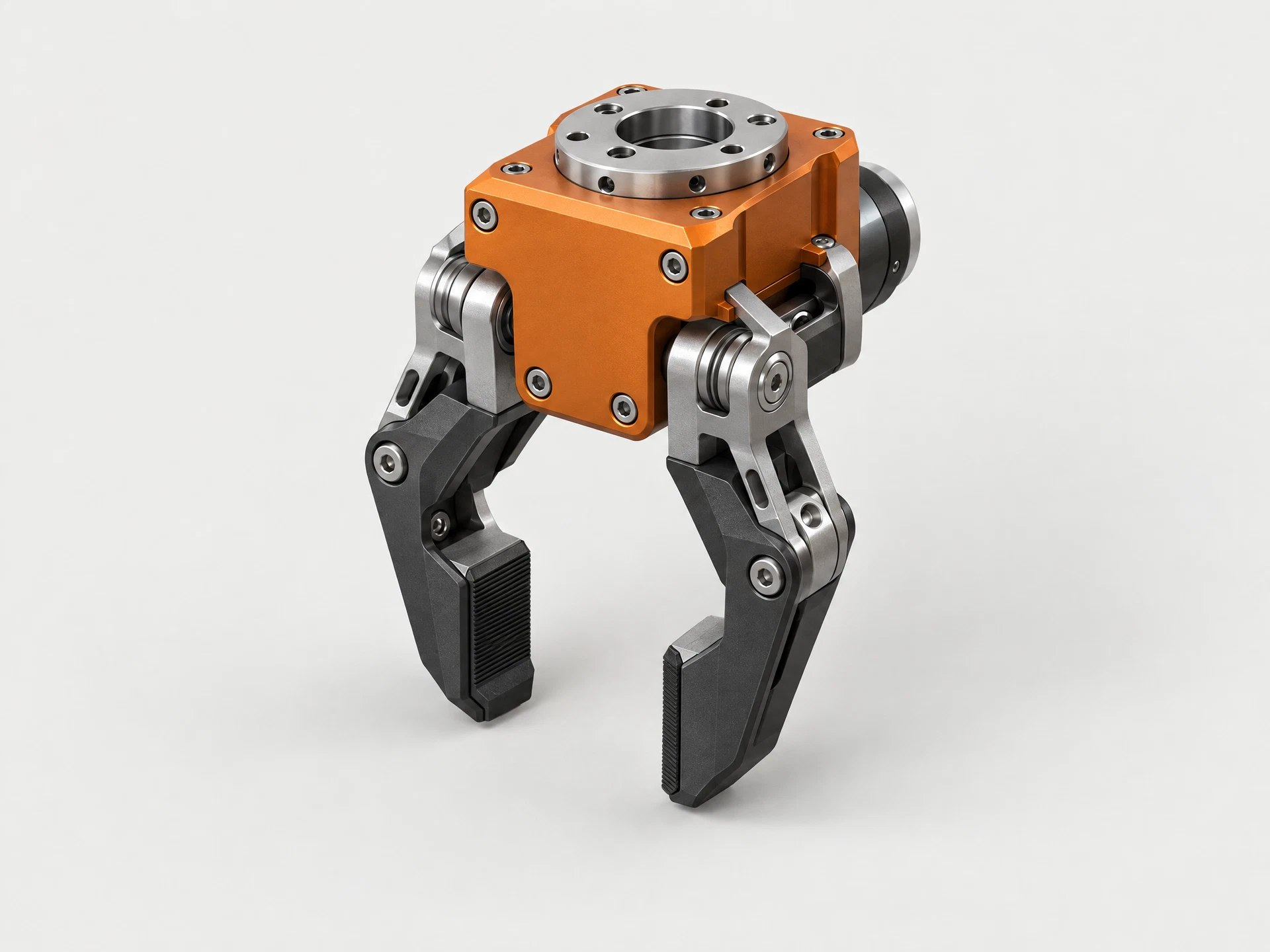
The reported parametric base of Unit CAD supports part and assembly modeling. The multidisciplinary view will connect mechanisms, structure, components and electrical, to develop products and machines across sectors.

  • Solids and assemblies in the existing reported base
  • Product and mechanism architecture
  • Integrated electrical design as a vision
Tell us how you design
Conceptual mechanical reference; not produced in Unit CADCONCEPTUAL · ILLUSTRATIVE IMAGE
02 / Components and manufacturing

Prepare the product for manufacturing.

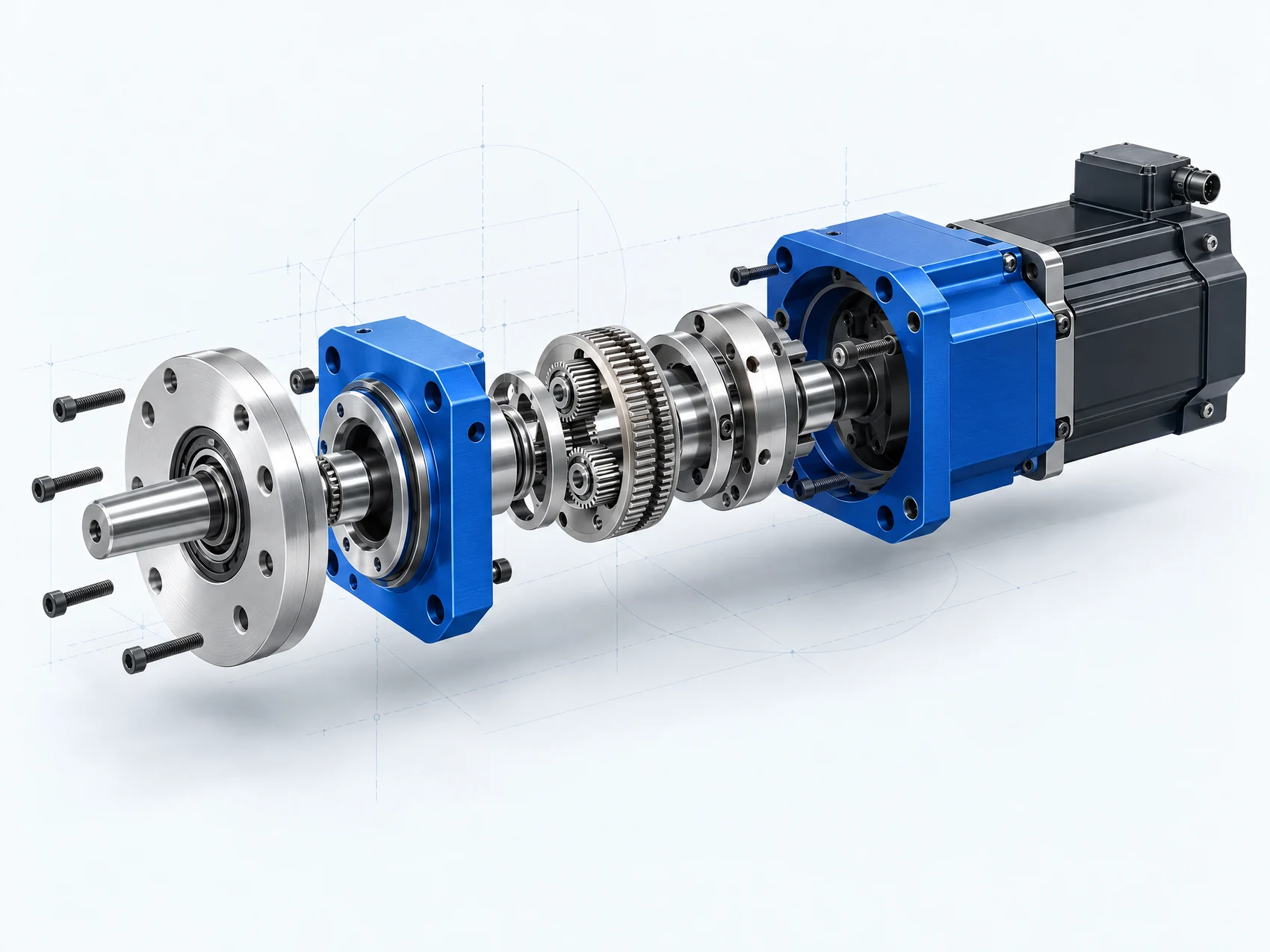
Sheet metal, hems, bends, unfoldings, flat patterns and DXF are part of the reported base. 2D detailing is being improved; Unit Manufacturing is expected to expand the manufacturing documentation. Nesting, libraries, BOM and ERP remain planned extensions.

  • Part libraries, aluminum profiles and panels
  • Built-in nesting and assembly detailing planned
  • BOMs and ERP integration under study
Tell us how you design
Conceptual mechanical reference; not produced in Unit CADCONCEPTUAL · ILLUSTRATIVE IMAGE
03 / HVAC specialization

A general base. Specific modules.

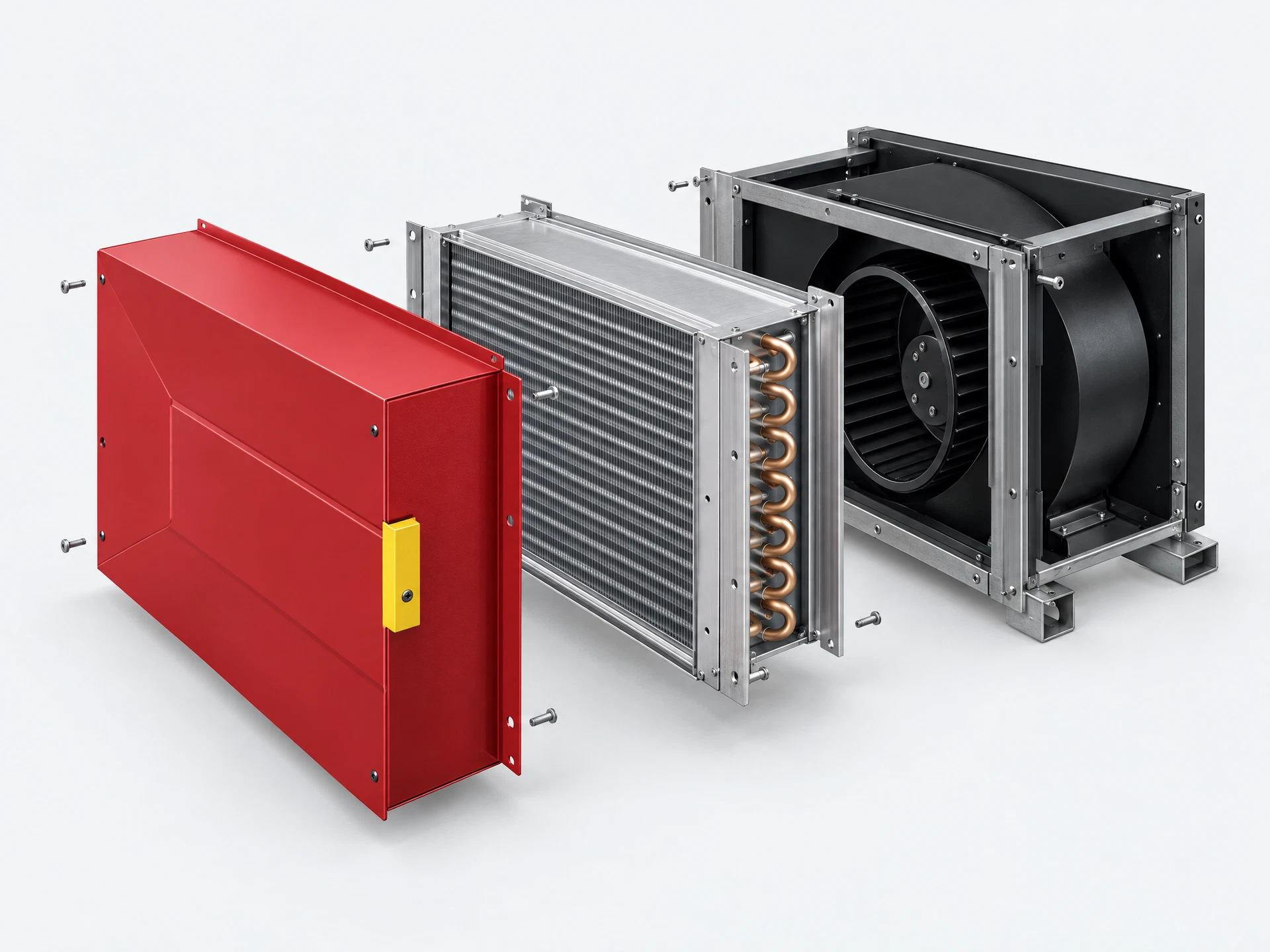
HVAC will be the first specialized vertical. HPS already covers technical selection and BOM, and X-Coil Unit already sizes coils and generates 3D, as reported. Integration with Unit AI will connect these engines to electrical, layout, P&ID and routing. Air duct routing remains a distinct expansion from piping.

  • HPS and X-Coil Unit reported as existing engines
  • Automatic ducting as a separate module
  • Conversational integration for thermal selection planned
Tell us how you design
Conceptual mechanical reference; not produced in Unit CADCONCEPTUAL · ILLUSTRATIVE IMAGE
04 / Data and validation

Engineering requires evidence.

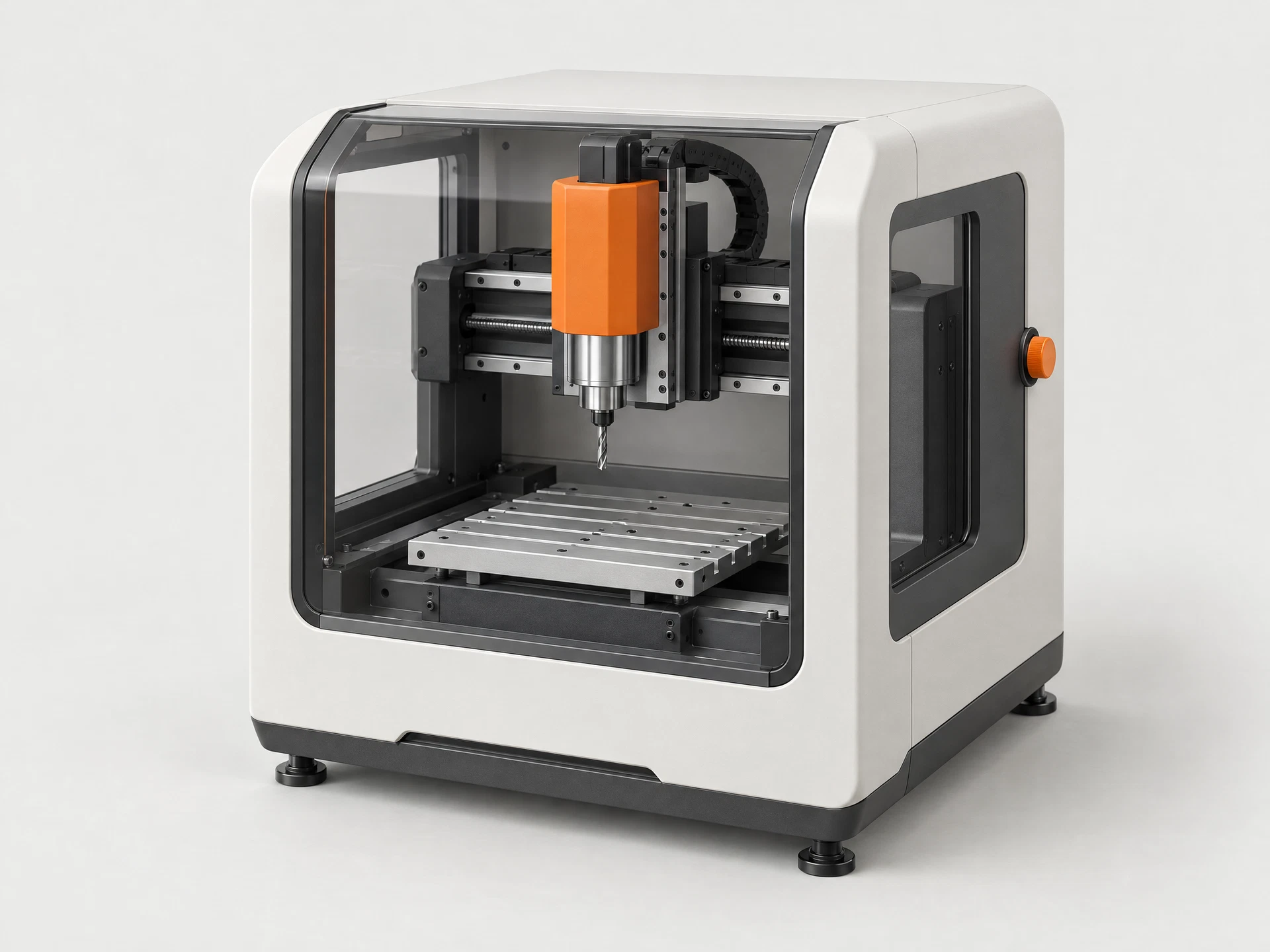
The planned architecture separates AI interpretation from deterministic calculation and validation engines. Data sheets, sources, assumptions and approvals must accompany the project. Analyses, reports and computational tests, including CFD, remain future expansions.

  • Data and datasheets with identified sources
  • Assembly analyses and reports under study
  • Computational tests with methods to validate
Tell us how you design

Base and engines exist as reported by the team; multidisciplinary integrations planned. Images are conceptual references, not projects produced in Unit CAD or analysis results. No public release announced.

ILLUSTRATIVE EXAMPLE / PLANNED FLOW

A chiller. Multiple disciplines.

Sample request: 50 TR chiller, two refrigeration circuits, R410A, air-side heat exchangers, integrated pump, water tank and 380 V supply. The flow below is a proposed integration, not a calculation or project executed by the site.

01

Confirm specification

The Core should record thermal, hydraulic and electrical requirements. Unit AI will request missing conditions before triggering the engines.

02

Select and calculate

HPS and X-Coil are expected to size and compare alternatives. The functional P&ID will evolve alongside selection, before any routing.

03

Design electrical and layout

Unit Electrical should generate schematics and a 3D panel; AutoLayout will arrange components, structure and sheet metal with access and assembly rules.

04

Connect circuits

Unit P&ID should consolidate circuits and connections; AutoRoute will transform those relations into 3D piping with interference checking.

05

Prepare to manufacture

Unit Manufacturing should gather 2D engineering drawings, flat patterns and BOM. The design will be editable and subject to review and approval by the responsible engineer.

Explore the planned flows of Unit AI
THE NEXT CHAPTER IS COLLABORATIVE

What do you want
to create next?

Your experience can help shape what comes next.

Let's talk